
When it comes to suspension performance, two parts are often mentioned together: control arms and sway bars. While both are essential to vehicle stability and handling, they serve very different functions.
If you are a workshop, distributor, wholesaler, or vehicle enthusiast looking for the right suspension solution, understanding the role of each component can help you make better purchasing and maintenance decisions.
At PRT, we focus on durable suspension components designed for reliable fitment, stable performance, and wholesale supply support. In this article, we explain what control arms and sway bars do, how they differ, and why both matter.
What Does a Control Arm Do?
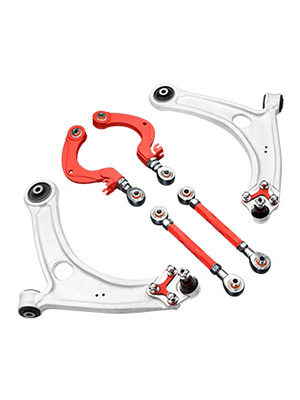
A control arm is a key suspension component that connects the vehicle’s chassis to the wheel hub or steering knuckle. It allows the wheel to move up and down with the road while helping maintain proper wheel alignment and suspension geometry.
Control arms usually work together with bushings, ball joints, shock absorbers, and springs.
Because they guide wheel movement, worn or damaged control arms can lead to uneven tire wear, loose steering feel, poor alignment, vibration while driving, and knocking or clunking noises over bumps.
In short, control arms help keep the wheels properly positioned and the ride more controlled.
What Does a Sway Bar Do?
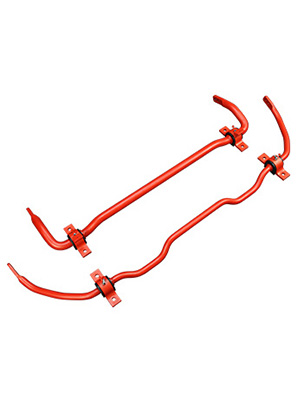
A sway bar, also known as an anti-roll bar or stabilizer bar, is designed to reduce body roll when a vehicle turns. It connects the left and right sides of the suspension and helps distribute cornering forces more evenly.
When a vehicle enters a corner, the body naturally leans to one side. A sway bar resists that leaning motion, which helps improve cornering stability, steering response, overall balance, and driver confidence at higher speeds.
A properly designed sway bar can make the vehicle feel flatter and more controlled in turns, especially during aggressive driving or when carrying loads.
Key Difference Between Control Arms and Sway Bars
Although both are suspension parts, their jobs are not the same.
Control arms mainly control the movement and position of the wheel. Sway bars mainly control body roll during cornering.
A simple way to understand it is:
- Control arms affect wheel guidance and suspension geometry
- Sway bars affect lateral stability and handling balance
If control arms are worn, the vehicle may feel unstable even on straight roads. If sway bars are weak or missing, the vehicle may lean excessively during turns.
Both parts are important for safe and predictable driving.
Signs Your Suspension Parts May Need Replacement
Whether you are inspecting a vehicle for repair or sourcing parts for customers, the following symptoms may indicate suspension wear.
Common control arm symptoms:
- clunking noise from the front or rear suspension
- unstable steering
- uneven tire wear
- visible bushing damage
- alignment issues after adjustment
Common sway bar symptoms:
- excessive body roll in corners
- reduced cornering stability
- noise from sway bar links or bushings
- loose feeling during lane changes
Ignoring these problems can reduce handling performance and accelerate wear on related components.
Why Suspension Quality Matters
Not all aftermarket suspension parts offer the same level of durability, fitment accuracy, or performance consistency. For workshops, distributors, and importers, low-quality suspension components often lead to higher return rates, installation problems, customer complaints, shorter product life, and damage to brand reputation.
That is why choosing a reliable supplier matters.
At PRT, we focus on suspension components that are built for dependable performance and long-term business cooperation. Our product range includes control arms and sway bars for a wide range of vehicle applications, with support for wholesale orders and custom manufacturing needs.
PRT Suspension Solutions for Wholesale Buyers
For customers looking for aftermarket suspension parts in bulk, PRT provides solutions designed for business buyers and market-specific requirements.
Our advantages include:
- stable product quality
- fitment-focused development
- support for bulk orders
- OEM and ODM customization
- export-oriented supply service
Whether you are building your own brand, supplying local repair shops, or sourcing for cross-border auto parts business, choosing the right suspension partner can improve both product competitiveness and customer satisfaction.
How to Choose the Right Part
If you are selecting between suspension components for a project or inventory plan, here are a few simple guidelines.
Choose control arms when:
- the vehicle has alignment or wheel positioning issues
- bushings or ball joints are worn
- there is play or noise in the suspension
- restoring OE-like suspension function is the goal
Choose sway bars when:
- improving cornering stability is a priority
- reducing body roll is important
- the vehicle is used in performance, load, or modified applications
- better handling feedback is needed
In many cases, both components should be inspected together for a complete suspension solution.
Final Thoughts
Control arms and sway bars are both critical parts of a well-functioning suspension system, but they solve different problems. Understanding the difference helps buyers, installers, and drivers choose the right solution for safety, comfort, and handling.
If you are looking for a dependable supplier of control arms and sway bars, PRT is ready to support your business with quality-focused products, wholesale supply, and customization services.
Need help finding the right suspension part? Contact PRT for fitment support, bulk order inquiries, and OEM/ODM cooperation.
Need Wholesale Suspension Parts?
PRT Auto supplies wholesale sway bars, control arms and chassis parts for distributors, importers and repair shops. If you are sourcing suspension parts for your business, send us the vehicle model, part type and quantity to request a quote.